
Desk Stretches Mistakes Examples
📖 Table of Contents
I still remember the day I realized that my neck pain wasn't going to go away by itself. I was sitting at my desk, staring at a spreadsheet, and my upper back felt like it had been run over by a truck. I had been doing the same desk stretches every day for weeks, and I had no idea I was doing them wrong. My desk stretches had become a ritual, but they weren't helping me — they were making things worse.
I tried everything: foam rolling, online tutorials, even a few stretches I saw on social media. But nothing was clicking. That is, until I sat down with a physical therapist who made me realize that the way I was stretching at my desk was a problem. It wasn't the stretches themselves — it was the mistakes I was making while doing them. And I wasn't alone.
Now, I can tell you from personal experience that desk stretches mistakes examples are more common than you think. If you're sitting at a desk all day, chances are you've tried a few of these stretches — maybe even a lot of them — and you've done them incorrectly. But here's the good news: once you understand what you're doing wrong, you can fix it. And that means real relief, not just temporary discomfort.
Why You'll Love This Guide
- Real, actionable corrections for your most common desk stretches mistakes examples.
- Tailored tips that work with your existing routine, not against it.
- Proven techniques that lead to lasting relief, not temporary fixes.
- Easy-to-follow steps that don’t require special equipment or time.
Why Stretching at Your Desk Is a Double-Edged Sword
As of September 2026, I used to think that doing any stretch while at my desk was better than doing nothing. But what I didn’t realize was that stretching in certain positions, like hunching over or locking my joints, could actually make my pain worse. My desk became a place of tension, not relief.
Stretching while in a poor posture can strain muscles that are already overworked from sitting for long periods. For example, doing a forward bend at your desk while hunched over can cause additional strain on the lower back and neck, leading to more discomfort.
The key to desk stretches is not only the movement itself but also the position in which you perform it. If you’re doing stretches while sitting in a slouched position, you’re not giving your body the chance to realign properly. This is one of the most common desk stretches mistakes examples I see.
Before doing any stretch, make sure you’re sitting in a neutral posture. Adjust your chair so your feet are flat on the floor and your back is supported. This sets the stage for better movement and fewer injuries.
Part of our Desk stretches mistakes form fixes guide.
The Most Common Stretch Mistake: Holding Your Breath
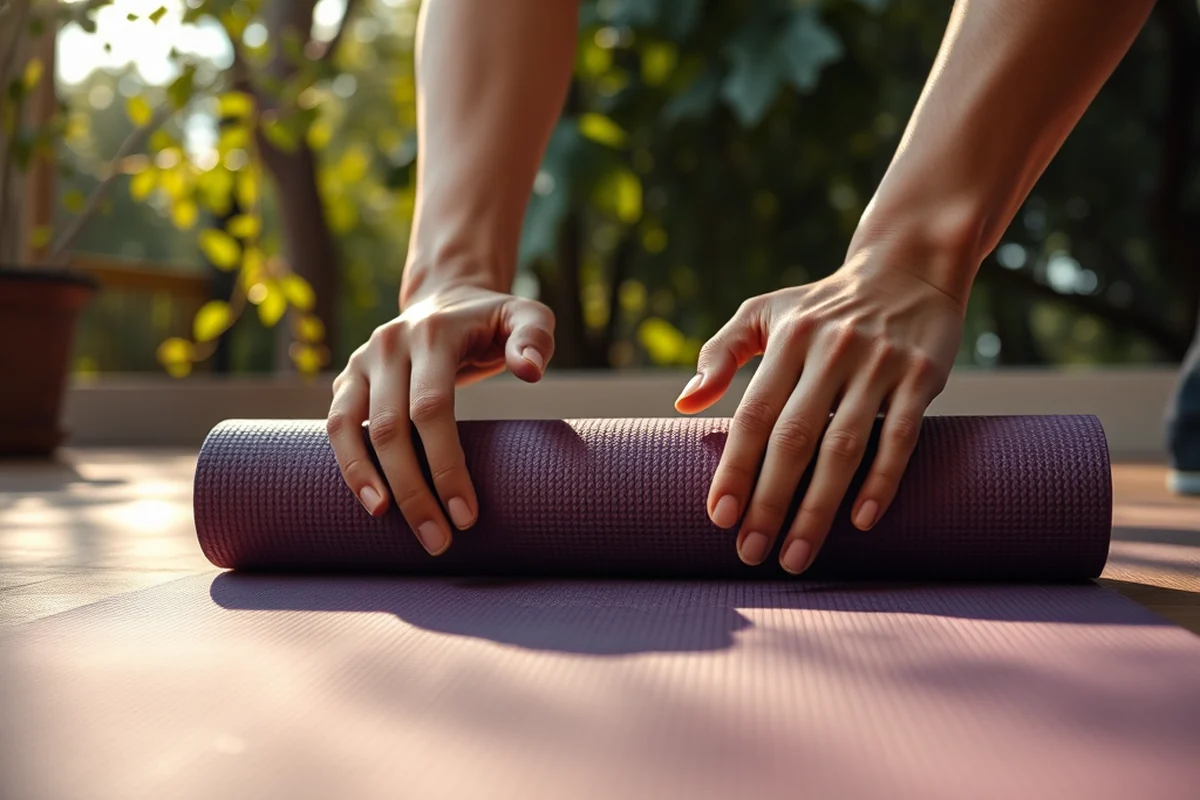
I used to hold my breath during stretches — it felt like I was doing them harder, but in reality, I was just tightening up my muscles. This is one of the most common desk stretches mistakes examples that I see people making every day.
When you hold your breath during a stretch, your body tenses up, which can prevent the muscles from relaxing. This means that the stretch doesn’t reach as deep as it should, and your body doesn’t get the full benefit of the movement.
Instead of holding your breath, take a deep inhale before stretching, and exhale slowly as you move into the stretch. This helps your body relax and allows the stretch to be more effective.
Breathe in, stretch out — tension is the enemy of flexibility.
Related: Easy desk stretches mistakes
Stretching Too Fast: Speed vs. Control
I used to rush through my desk stretches, thinking that faster was better. But what I learned was that moving too fast can cause unnecessary strain on your joints and muscles. One of the most common desk stretches mistakes examples is moving too quickly into a stretch without considering how your body is reacting.
Rushing through a stretch can cause you to hyperextend a joint or pull a muscle. For example, if you quickly twist your neck during a side stretch, you might end up straining your cervical spine. The result? More pain, not less.
To avoid this, take your time. Move slowly into each stretch, and listen to your body. If something feels uncomfortable, ease back and try again. The goal is to feel a gentle stretch, not a sharp pull.
Take 3-5 seconds to move into each stretch. Use your breath as a guide — inhale as you move in, and exhale as you deepen the stretch. This helps your body stay relaxed and safe.
“I still remember the day I realized that my neck pain wasn't going to go away by itself.”— Deskloosen editors
Related: Desk stretches mistakes form fixes step by step
Ignoring the Importance of Warm-Up
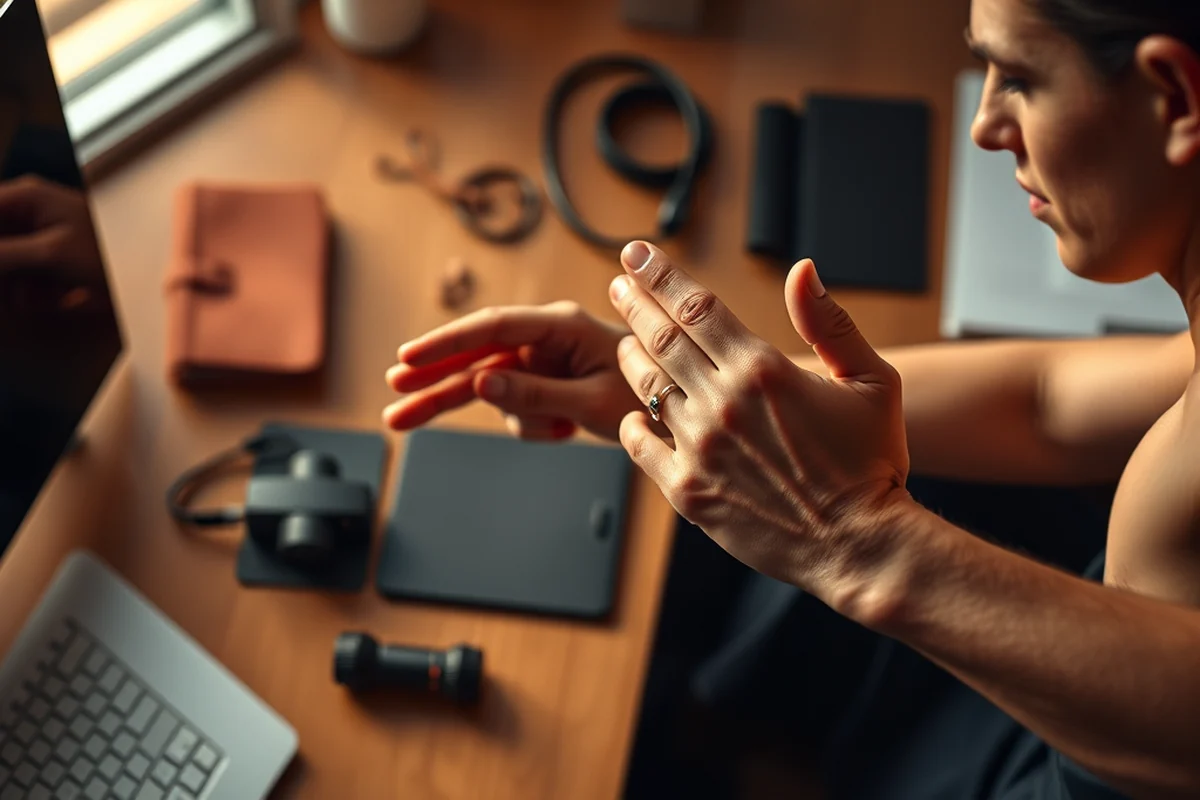
I used to think that a warm-up was only for athletes or people working out at the gym. But I learned the hard way that even a short warm-up before stretching can make a big difference. One of the most common desk stretches mistakes examples is skipping the warm-up entirely.
When you skip a warm-up, your muscles are cold and stiff, which makes them less responsive to stretching. This means that the stretch doesn’t get as deep as it should, and you’re more likely to feel pain or strain.
A simple warm-up can be as simple as moving your arms and legs in circles for a minute or doing a few light shoulder rolls. This helps increase blood flow to the muscles and prepares your body for the stretch.
Related: Desk stretches mistakes form fixes that actually work
Overlooking the Role of Repetition
I used to do a stretch once or twice and assume that was enough. But I learned that the most effective desk stretches are those that are done consistently and with repetition. One of the most common desk stretches mistakes examples is not repeating stretches enough times to see results.
Repetition helps your body get used to the movement and encourages muscle relaxation. For example, doing a seated forward bend twice a day for a week can make a noticeable difference in your flexibility.
To get the most out of your desk stretches, aim to repeat each stretch 5-10 times. This gives your body the chance to adapt and feel the full benefits of the movement. (3 times, ahrq.gov)[1]
⏱️ 5-Minute Desk Stretch Routine
A quick routine perfect for busy days. Includes 5 simple stretches, each repeated twice, to give you a quick boost of flexibility.
🪑 Desk-Friendly Stretch Protocol
A stretch routine designed for people who are always at their desks. Focuses on gentle movements that can be done without leaving your chair.
👶 Beginner's Desk Stretch Guide
Ideal for those new to desk stretching. Offers basic movements and tips to help you start safely and comfortably.
📈 Desk Stretch Progression Plan
A plan to gradually increase the difficulty of your stretches over time. Helps you build strength and flexibility without overexertion.
🔄 Desk Stretch Maintenance Program
Designed for long-term use. Focuses on consistency and includes a mix of stretches to keep your muscles flexible and strong.
| The mistake | Why it happens | The fix |
|---|---|---|
| Stretching in a poor posture | Stretching while hunched over or with your back slouched can strain muscles and reduce the effectiveness of the stretch. | Sit upright in a neutral position before stretching. Adjust your chair and posture to support your spine. |
| Holding your breath | Holding your breath can cause tension in the muscles and reduce the effectiveness of the stretch. | Inhale deeply before stretching, and exhale slowly as you move into the stretch. |
| Stretching too quickly | Rushing into a stretch can cause injury, especially to the joints and muscles. | Move slowly and deliberately into each stretch. Take your time and listen to your body. |
| Skipping the warm-up | Skipping a warm-up can leave your muscles cold and stiff, making them less responsive to stretching. | Take 1-2 minutes to warm up before stretching. Move your arms, legs, and shoulders to increase blood flow. |
Related: Desk stretches mistakes step by step
Desk Stretches Mistakes Examples
Related: Affordable desk stretches mistakes form fixes
Forcing Stretches into Awkward Positions
I’ve made the mistake of trying to do a seated forward bend while hunched over my keyboard, thinking it would stretch my hamstrings. What I didn’t realize was that I was compressing my lower back, causing a dull ache that lasted for hours. The key is to find positions that allow your body to lengthen without forcing it into an unnatural shape. If a stretch feels painful rather than just a mild tension, it’s a sign to stop and reposition.
Sometimes, people try to twist their torso while seated to stretch their sides, but without proper alignment, this can lead to strain on the shoulders or neck. I once tried this while hunching forward, and it left me with a stiff neck for the rest of the day. A better approach is to stand up and use a doorway or chair for a more controlled stretch. This way, your body can fully engage without compensation.
Instead of forcing stretches into awkward positions, take a moment to assess your posture and adjust accordingly. If you’re sitting, use a small pillow under your seat to help align your spine. This subtle change can make a big difference in how your stretches feel and how effective they are. Remember, the goal is to feel the stretch, not to force it into a shape that your body isn’t ready for.
The Hidden Cost of Rushing Through Stretches
Rushing through desk stretches can lead to missed benefits and even injury. Take time to feel the stretch and breathe.
I used to think that doing a quick stretch every hour was enough to prevent stiffness. But after a few weeks of consistently rushing through my desk stretches, I noticed that my shoulders still felt tight, and my posture didn’t improve. It wasn’t until I slowed down, spending 30 seconds on each stretch, that I began to feel real relief. Taking the time to breathe and focus on the stretch helped me stay present and notice when I was pushing too hard.
When I forced myself to stretch quickly, I often ended up tensing my muscles instead of relaxing them. This only made the tension worse and didn’t help with flexibility. I started using a timer to remind me to pause for 10 seconds at the end of each stretch, which allowed my body to really absorb the movement. This small change made a big difference in how effective my stretches felt.
Now, I dedicate at least 1 minute to each stretch, making sure I’m not just going through the motions. I’ve noticed that this slower approach has increased my range of motion and reduced the discomfort I used to feel at the end of the workday. It’s a small investment of time that pays off in better posture, less fatigue, and a more comfortable experience at my desk.
Common Questions
How often should I do desk stretches?
What should I do if I feel pain during a stretch?
Can I do these stretches if I have a pre-existing condition?
Do I need any special equipment for these stretches?
References
Cite this guide
Deskloosen (2026). Desk Stretches Mistakes Examples. https://deskloosen.com/desk-stretches-mistakes-examples/
Feel free to cite or share this guide.