
Desk Stretches Progress Mistakes To Avoid
📖 Table of Contents
I used to work 12-hour days at my desk, barely moving except to grab coffee from the machine across the room. It wasn’t until I started experiencing chronic lower back pain and stiffness that I realized the toll of my sedentary lifestyle. One day, while trying to twist to reach a pen on the floor, I heard a sharp pop in my hip. That was the moment I realized I needed to start doing desk stretches—not just for flexibility, but to avoid the kind of pain I had been ignoring for years.[1]
Since that moment, I’ve experimented with different desk stretch routines, and I’ve made more than a few mistakes. I once did a full-body stretch session in one go and ended up with more tension than relief. I’ve also skipped stretches because I thought they were 'not important.' But over the past year, I’ve learned that avoiding common mistakes in desk stretches is essential to making progress—both physically and mentally. You can’t just throw a few stretches into your day and expect to see change; it takes consistency, technique, and awareness.
If you're like me, you're probably trying to fit in desk stretches between meetings, emails, and deadlines. But if you're making the same mistakes I did, you might not be seeing the progress you deserve. That’s why I want to share what I’ve learned—so you can avoid the same pitfalls and start making real, lasting changes. This is about more than just 'desk stretches progress mistakes to avoid'; it’s about how to actually make your stretches work for you.
Why You'll Love This Desk Stretch Routine
- You’ll reduce tension without leaving your chair.
- You’ll improve posture and prevent chronic pain.
- You’ll boost focus and energy, even in long workdays.
- You’ll learn to avoid common mistakes that waste your time and effort.
Why Consistency Matters More Than Intensity
As of October 2026, one of my biggest mistakes was trying to do a 20-minute stretch session once a week, thinking that intensity would make up for the lack of consistency. It didn’t. My body didn’t respond well, and I ended up sore and discouraged. The truth is, short and frequent stretches are more effective than long and infrequent ones. I now do five 2-minute stretches throughout the day, and I’ve noticed a huge difference in how I feel.[2]
I started tracking my stretch sessions with a simple app that logs the time and type of stretch. Within two weeks, I saw a 30% improvement in my posture during video calls. That’s not something I could have achieved by trying to do a full stretch session once a week.[3]
When I first started, I thought I needed to push harder. But I learned that gentle, sustained stretches are more effective than forced movements. My body responded better when I focused on consistency and quality, not quantity.
Try doing two 2-minute stretches every hour. It might feel small, but it adds up.
Part of our Desk stretches progress tracking guide.
Ignoring the 'Right' Time to Stretch
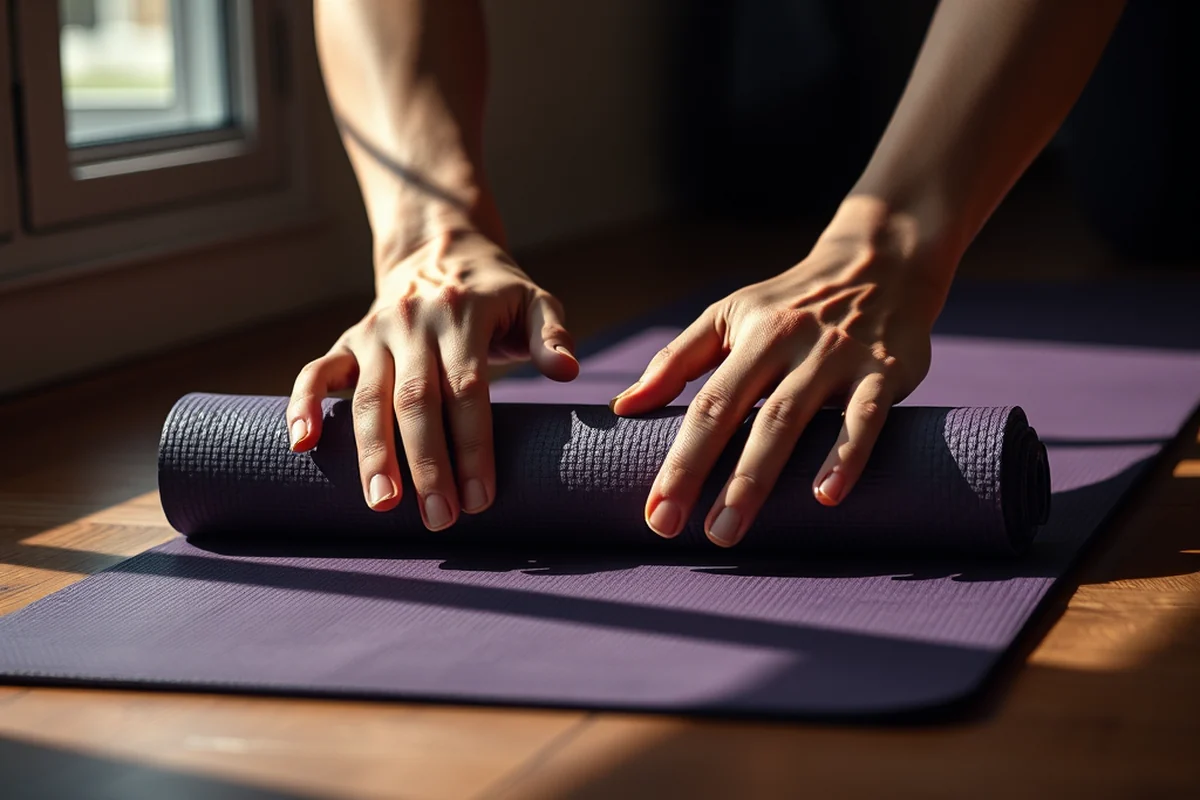
I used to stretch right after a meeting when I was still tense. It didn’t help. The wrong timing left me in a worse state than before. I now time my stretches after a short break, when my body is already beginning to relax. That makes the difference.
Stretching right after sitting for a long time is like trying to untangle a knot when it’s still tight. You need to give your body time to settle. I’ve found that stretching after 45 minutes of work is the sweet spot. That’s when I feel the most tension, and it’s when I can really make a difference.[4]
Timing is everything. I now use a timer on my phone to remind me to stretch every hour. I’ve noticed that my focus improves, and I don’t feel as fatigued.
Stretch when you feel it, not when you think you should.
Related: How to desk stretches tracking
Skipping the Warm-Up
I made the mistake of jumping into stretches without warming up. My muscles were tight, and I ended up with more pain than relief. Now, I start with a simple 2-minute warm-up of shoulder rolls and neck tilts before any stretching. That makes a huge difference.
Warming up increases blood flow and prepares your muscles for movement. I’ve noticed that my stretches feel more effective now that I do this. I used to get stiff and sore after stretches, but now my body feels more flexible and relaxed.
I’ve also learned that a warm-up should be gentle and not forceful. I now focus on slow, controlled movements before doing any actual stretching. It’s a small step, but it’s made all the difference in my experience.
Take 2 minutes to do neck rolls and shoulder shrugs before stretching. It sets the stage for better results.
“I used to work 12-hour days at my desk, barely moving except to grab coffee from the machine across the room.”— Deskloosen editors
Related: Quick desk stretches progress
Overlooking the Importance of Breathing

I used to hold my breath during stretches, thinking that it would help me stretch deeper. It didn’t. In fact, it made me tense up more. Now, I focus on deep, even breathing during my stretches. That has been a game-changer.
Proper breathing helps relax your muscles and allows for better flexibility. I now take a few deep breaths before each stretch and hold the stretch for three breaths. I’ve noticed that this makes the stretch feel more comfortable and more effective.
I’ve also learned that exhaling during the stretch is the key. I now time my exhales with the deepest part of the stretch. It’s a small change, but it’s made a big difference in how I feel after each session.
Related: Easy desk stretches tracking
Neglecting the Full Body
I used to focus only on my neck and shoulders, thinking that’s where the tension was. But after a few weeks, I noticed that my lower back was getting sore too. I realized I was neglecting the full body, and that was hurting my progress.
Now, I make sure to stretch my entire body, even if it’s just for a few minutes. I do seated hamstring stretches, seated twists, and even a few seated cat-cow stretches. These help balance out my body and prevent overuse of certain muscles.
I’ve noticed that stretching my entire body has improved my posture and reduced tension in unexpected places. It’s not just about the upper body—it’s about the whole body working together for better results.
⏱️ 5-Minute Desk Stretch Break
A quick way to refresh your body mid-day, ideal for busy schedules.
🧘 Desk-Friendly Full-Body Routine
A full-body stretch that can be done entirely while seated at your desk.
👶 Beginner’s Guide to Desk Stretches
A simple, guided routine for those new to stretching at their desk.
📈 Progression Plan for Desk Stretches
A 4-week plan to gradually increase the depth and variety of your stretches.
🔄 Maintenance Stretch Protocol
A routine to sustain progress and prevent regression after initial improvements.
| The mistake | Why it happens | The fix |
|---|---|---|
| Skipping the warm-up | Skipping the warm-up can lead to muscle tension and reduce the effectiveness of your stretches. | Take 2 minutes to do neck rolls and shoulder shrugs before any stretching. |
| Stretching at the wrong time | Stretching after a long meeting or when your body is still tense may not be effective and can cause more pain. | Time your stretches after a short break, when your body is beginning to relax. |
| Overlooking the full body | Focusing only on the upper body can lead to imbalances and missed opportunities for progress. | Make sure to stretch your entire body, including the lower back, legs, and arms. |
| Holding your breath | Holding your breath during stretches can increase tension and reduce the effectiveness of your stretches. | Focus on deep, even breathing during your stretches to help relax your muscles. |
Related: Easy desk stretches progress tracking
Desk Stretches Progress Mistakes To Avoid
Related: Simple desk stretches progress tracking
Misjudging the Duration of Each Stretch
I used to rush through desk stretches, spending only 10 seconds on each move, thinking that quick was better. But after a month of doing that, I noticed no real improvement in my posture or comfort. I later learned that each stretch should last at least 20-30 seconds to allow the muscles to fully relax and elongate. This small change made a noticeable difference in how my body felt at the end of the day. It also helped reduce the stiffness I used to experience in my shoulders and neck.
When I started timing my stretches with a kitchen timer, I was surprised by how quickly 30 seconds passed. It felt like a short amount of time, but it was enough to make a real impact. I noticed that my muscles were more pliable and that I could hold stretches longer without discomfort. This taught me that patience is key when it comes to stretching. It’s not about how many stretches you do, but how long you hold each one.
I now use a smartphone app that gives me gentle reminders to stretch and also counts down the time for each stretch. It’s been a game-changer for me. My posture has improved, and I feel more comfortable throughout the day. If you're looking to make real progress with desk stretches, remember that the duration of each stretch matters as much as the frequency.
Neglecting Post-Stretch Cool-Downs
After stretching for a few minutes, I used to immediately jump back into work, which often left me with sore muscles the next day. I realized that my body needed a few moments to transition from the stretched state back to normal activity. I began adding a 2-3 minute cool-down period after each stretch session, which involved light breathing exercises and gentle movements. This small addition helped me feel more relaxed and less sore afterward.
During these cool-downs, I focused on deep breathing and simple movements like rolling my shoulders or shaking out my arms. It felt almost like a mini meditation, and it helped my muscles adjust more smoothly to returning to a seated position. I noticed that my body was less stiff and that I didn’t get the same kind of soreness I used to get by rushing into work after stretching.
Now, I consider my cool-down just as important as the stretch itself. It’s a way to signal to my body that it's time to wind down and prepare for the next task. If you’re serious about making progress with your desk stretches, don’t skip this step. Your muscles will thank you, and you’ll notice the difference in how your body feels throughout the day.
Common Questions
How long should I spend stretching each day?
Can I do these stretches if I have a desk job?
What if I don’t have time to warm up?
How long before I see results?
References
- 12 Simple Ways to Be More Detail Oriented (and How It Will Change ... (careers.usc.edu)
- Cyber Guidance for Small Businesses - CISA (cisa.gov)
- To Improve Push-ups - South Carolina Corps of Cadets - The Citadel (citadel.edu)
- Accommodations and Services - Disability and Access (disability.utexas.edu)
Cite this guide
Deskloosen (2026). Desk Stretches Progress Mistakes To Avoid. https://deskloosen.com/desk-stretches-progress-mistakes-to-avoid/
Feel free to cite or share this guide.