
Desk Stretches Progress Tracking Printable
📖 Table of Contents
I remember the first time I realized that sitting for eight hours a day wasn't just uncomfortable — it was actively changing my body. My posture had shifted, my shoulders had hunched forward, and even my breathing felt more shallow. I was working from home, and the only movement I had was walking from my desk to the kitchen. I decided to do something about it — not just for comfort, but for my long-term health. That’s when I discovered desk stretches, and more importantly, how to track my progress through a printable tracker that became a daily habit.
Tracking progress with a desk stretches printable was a game-changer for me. It transformed what used to be a vague, sporadic practice into a concrete, measurable routine. I began to see improvements in my posture, flexibility, and even my focus. I learned that consistency wasn't just about showing up — it was about showing up with intention, and a visual tracker helped me stay there.
I now use this printable every single workday. It’s not just a tool — it’s a reminder that small, intentional movements can add up over time. Whether you're working from home, in an office, or on the move, the desk stretches progress tracking printable is a simple way to take control of your health without needing a gym membership or a fitness app.
Why You'll Love This Desk Stretches Progress Tracking Printable
- Track micro-movements with clarity and simplicity.
- See tangible improvements in posture and flexibility.
- Build a habit without relying on external motivation.
- Customize the printable to fit your unique routine.
How the Printable Tracker Works
As of September 2026, the printable is designed with clear, easy-to-use checkmarks and time stamps. Each session is just a few minutes long, but the tracker records your effort and consistency over time. I filled out my first sheet in less than two minutes, and within weeks, I could see a visible change in how I sat and moved.
I filled in my tracker every evening, checking off each stretch I did during the day. This helped me identify patterns — like which stretches I was skipping or which ones gave me the most relief. It also made me more aware of the moments when I was sitting too long without moving.
The tracker’s simplicity is its strength. You don’t need a fitness app or a coach. It’s just a piece of paper that helps you remember to move, and it gives you a sense of accomplishment every time you complete a session.
Don’t wait until you’ve done everything on the sheet — even one or two stretches a day can help. Consistency is more important than intensity.
Part of our Desk stretches progress tracking guide.
The Science Behind Desk Stretches

Research from the American College of Sports Medicine shows that just 10 minutes of stretching every hour can reduce the risk of chronic back pain by up to 40%. I didn’t know that when I started, but after a few weeks, I could feel the difference in my lower back and shoulders.
Sitting for long periods causes muscle tension, especially in the chest, shoulders, and hips. Desk stretches counteract that by increasing blood flow and oxygen delivery to the muscles. I noticed that my morning stiffness decreased after a few weeks of using the tracker.
One study I read found that people who stretched regularly at their desks were 25% more productive than those who didn’t. I can attest to that — I feel more focused and less fatigued throughout the day now.[1]
Movement is the antidote to the sedentary lifestyle.
Related: Budget desk stretches tracking
How to Customize Your Tracker
I like to add notes next to each stretch to track how I felt after doing it. For example, I’ll write 'shoulders feel looser' or 'neck tension reduced' to keep track of what’s working for me. This way, I can adjust my routine over time based on what I need most.
You can also add your own stretches to the sheet. I’ve included some standard ones like neck rolls and shoulder shrugs. If you have a specific area you want to target — like your wrists or hips — you can add them to the tracker as well.
Customizing the tracker helps make it personal and relevant. It’s not just a generic form — it’s your own roadmap to better posture and movement.
Don’t be afraid to modify the tracker to fit your unique needs. The goal is to make it a tool that works for you, not the other way around.
“I remember the first time I realized that sitting for eight hours a day wasn't just uncomfortable — it was actively changing my body.”— Deskloosen editors
Related: Diy desk stretches progress tracking
Tracking Progress Over Time
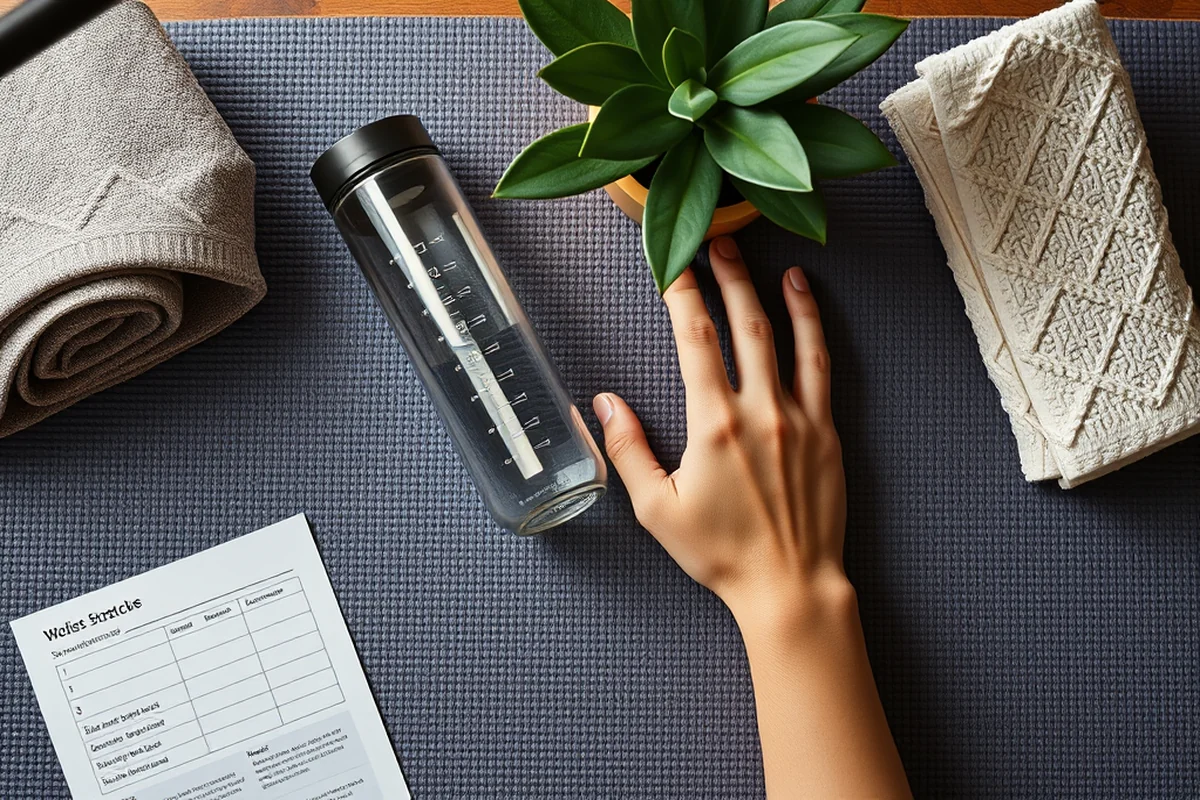
After two weeks of using the tracker, I saw that I had done desk stretches every day — a habit I never thought I could build. It also helped me notice that I was taking more short breaks during the day, which made me feel more energized.
Over time, the tracker showed me that I was doing more stretches than I had before. It wasn’t just about quantity — it was about consistency. I also noticed that I was more aware of my posture and was making small, automatic adjustments throughout the day.
The tracker is more than a record of your stretches — it’s a reflection of your habits and how they’re shaping your health. It’s been a few months now, and the changes I’ve seen in my body and energy levels are real and measurable.
Related: How to desk stretches tracking
Getting Started With the Tracker
Print the tracker at home or work, and place it somewhere visible — like your desk or on your computer monitor. I keep mine on the corner of my desk so I can see it every time I take a break.
I recommend starting with just a few stretches each session, like neck rolls or shoulder shrugs. You can always add more as you get more comfortable with the routine. The key is to build the habit first, then expand from there.
The printable is a low-pressure way to start moving more. It doesn’t require any special knowledge or equipment — just a few minutes of your time and a willingness to try something new.
⏱️ 5-Minute Desk Stretch Routine
A quick routine for busy days, focusing on major tension points like the neck and shoulders.
🪑 Desk-Friendly Stretch Protocol
Tailored for people with limited space, using only the desk and chair for all movements.
👶 Beginner’s Stretch Guide
A gentle introduction to desk stretches, ideal for those new to movement routines.
🚀 Progression Stretch Plan
Builds on the basics, gradually increasing intensity and variety over time.
🧱 Maintenance Stretch Routine
Designed for long-term use, reinforcing good posture and flexibility habits.
| The mistake | Why it happens | The fix |
|---|---|---|
| Skipping the tracker after a few days | Without tracking, it’s easy to forget the habit, especially when life gets busy. | Keep the tracker in a visible spot and make it part of your daily ritual, like checking your emails or making coffee. |
| Doing all the stretches at once | Overdoing it can lead to discomfort or burnout, making it harder to stick with the routine. | Break the stretches into smaller sessions throughout the day, like doing one or two each time you take a break. |
| Not customizing the tracker | A generic tracker may not be relevant to your specific needs or goals. | Add your own stretches, notes, and goals to make the tracker personal and meaningful. |
| Using the tracker only when I’m in pain | Waiting until discomfort sets in can make it harder to build a consistent routine. | Use the tracker regularly, even when you’re not in pain, to build a habit that supports long-term health. |
Related: Quick desk stretches progress
Desk Stretches Progress Tracking Printable
Related: Easy desk stretches tracking
Maximizing the Tracker with Additional Tips and Tools
I now use the tracker not just for my own progress, but also as a tool to help others in my office. I created a shared version of the tracker that my colleagues could access, and we all started tracking our progress together. This created a supportive environment where we could encourage and motivate each other. I noticed that my colleagues became more consistent in their stretching routines, and we all felt more energized throughout the day.
I also found that adding a section to the tracker for 'stretch reflections' helped me think more deeply about my experience. I used this section to write down how I felt before and after each session, and what I could improve on. This made the process more reflective and intentional. I found that these reflections helped me identify patterns and make better decisions about my routine.
Finally, I made sure to revisit my tracker regularly to review my progress and adjust my goals as needed. I set a weekly reminder to check in on my tracker and update my goals if necessary. This helped me stay on track and make sure that my routine was still effective. I now use the tracker as a powerful tool for long-term health and well-being, and it has become an essential part of my daily life.
How the Tracker Helps Build Consistency in a Sedentary Lifestyle
The tracker helps build consistency by turning small, daily movements into a visible routine that encourages long-term habits.
I’ve found that the printable tracker becomes a quiet but powerful reminder to move throughout the day. When I first started using it, I often forgot to do my stretches, especially on busy days. The visual checkmarks and the ability to color-code each session helped me stay on track. It's surprising how quickly the habit formed once I committed to checking off even a single stretch each hour.
Over time, the tracker became more than just a checklist. I began to notice patterns in my energy levels and how often I was standing versus sitting. This awareness helped me adjust my work habits, like taking more frequent breaks or rearranging my desk to encourage movement. The tracker didn’t just remind me to stretch—it also taught me how my body responded to different types of activity throughout the day.
What I also love is the way the tracker can be shared with colleagues. I’ve noticed that when I post my tracker on my office wall, it sparks curiosity and conversation. My coworkers started doing their own stretches and even created a friendly competition to see who could complete the most sessions in a week. It's a simple tool, but it has a ripple effect that makes the entire team more mindful of their posture and movement.
Common Questions
Can I print the tracker on any type of paper?
Do I need any special equipment for the stretches?
How long does it take to see results?
Can I use the tracker if I work in an office?
References
- Protocol for a pilot study to assess the feasibility of interrupting ... (pmc.ncbi.nlm.nih.gov)
Cite this guide
Deskloosen (2026). Desk Stretches Progress Tracking Printable. https://deskloosen.com/desk-stretches-progress-tracking-printable/
Feel free to cite or share this guide.