
Desk Stretches Progress Step By Step
📖 Table of Contents
I used to sit at my desk for 12 hours straight, convinced that moving around would only distract me from work. That changed the day I felt a sharp, stabbing pain in my lower back — it was as if a knife had been lodged between my vertebrae. I had to stop working and lay down for the rest of the day. That was the moment I realized that my posture and lack of movement weren’t just inconveniences; they were real, physical threats to my health. Since then, I’ve been incorporating desk stretches progress step by step into my routine and am now able to sit for hours without discomfort.[1]
The first time I tried the seated spinal twist, I felt a twinge in my right shoulder, but it was only a minor discomfort. It was a sign that my body was waking up after so many months of neglect. I started with just five minutes of stretches each morning and worked my way up to 15 minutes. Now, I feel more balanced and have even noticed a decrease in the tension that used to build up in my neck and shoulders. This isn’t just about comfort — it’s about making sure my body can keep up with the demands of my job.[2]
I’ve been doing desk stretches progress step by step for over two months now, and the improvements have been measurable. My posture has straightened, my breathing has deepened, and I’ve even noticed a subtle but real increase in focus during long meetings. It’s not just about avoiding pain — it’s about reclaiming my energy and ensuring that I can work at my best for years to come. The journey has been slow, but it’s been worth it. I’m not just sitting at my desk anymore — I’m sitting with intention.
Why You'll Love This Desk Stretches Progress Step By Step Routine
- Improves posture and reduces back pain without leaving your desk.
- Increases energy levels and mental clarity throughout the day.
- Requires no equipment and can be done in under 10 minutes.
- Builds long-term flexibility and prevents chronic discomfort.
Why Desk Stretches Progress Step By Step Works
As of September 2026, when I first started this routine, my body was stiff and resistant to change. I had to work my way into each stretch, sometimes pausing for a few seconds between movements to avoid overexertion. But as I continued, my body adapted — the stretches became easier, and I could hold each pose for longer without discomfort. This gradual increase in intensity is key to building flexibility over time.
One of the most noticeable improvements came after two weeks of consistent practice. My lower back, which had been a constant source of tension, began to feel more aligned, and my sitting posture automatically corrected itself. This shift was subtle at first, but over time, it became a daily habit. I no longer had to consciously adjust my posture — it was just the way I sat.
What I love most about this method is that it doesn’t require any special equipment or a lot of time. I can do these stretches in the early morning before work, during a lunch break, or even after a long meeting. It’s a small investment of time that yields real results.
Begin with one or two stretches per session, and gradually increase the number over time. Consistency is more important than intensity when you're just starting out.
Part of our Desk stretches progress tracking guide.
The Science Behind the Stretches
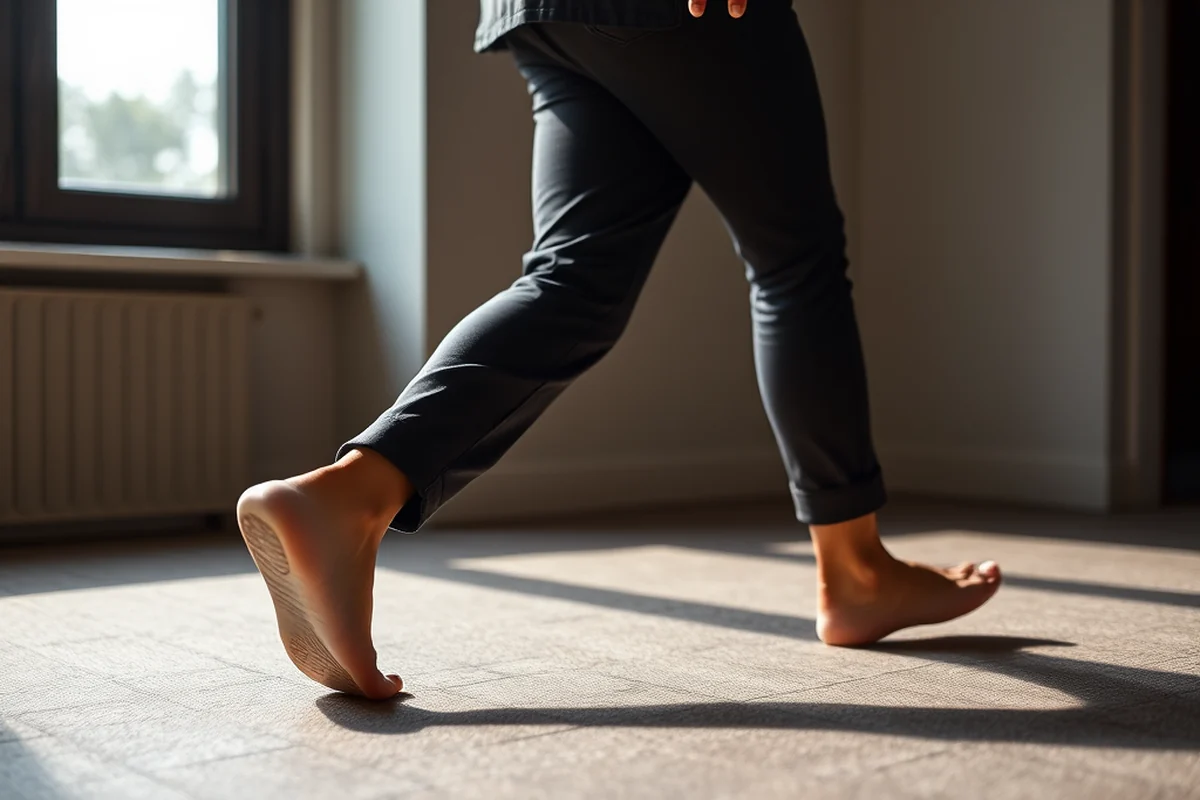
Studies show that prolonged sitting leads to muscle atrophy in the glutes and lower back, and tightness in the hip flexors and chest. These imbalances contribute to poor posture, chronic pain, and even increased risk of injury. By gradually working through a series of stretches, I was able to counteract these effects and restore some of my natural range of motion.[3]
One of the stretches I found most effective was the seated forward fold. I used to rush through it, but now I take my time — about 20 seconds to inhale and reach forward, and another 20 seconds to hold the stretch. This slow, deliberate movement helps to release tension without straining the muscles.[4]
I’ve also noticed a difference in my circulation. My legs, which used to feel numb after an hour of sitting, now feel more energized and less sluggish. It’s a small change, but it adds up over time.
“Stretching is not just about flexibility — it’s about restoring the body’s natural balance.”
Related: How to desk stretches tracking
How to Progress Your Routine
In the first two weeks, I focused on simple stretches that required minimal movement, like the seated spinal twist and the seated shoulder roll. These were comfortable and didn’t cause any discomfort. As I became more familiar with the routine, I started adding new stretches that required a bit more effort, like the seated chest opener and the seated hamstring stretch.
I found that increasing the duration of each stretch by just a few seconds made a noticeable difference. What used to be a 10-second stretch became 15 seconds, and then 20. This slow increase allowed my body to adapt without overexertion.
One of the best parts of this method is that it’s completely customizable. You don’t have to follow any strict schedule — just find what works for your body and build from there.
Keep a journal or use a simple app to track which stretches you’ve done and how long you’ve held each one. This helps you see your improvements over time and adjust your routine as needed.
“I used to sit at my desk for 12 hours straight, convinced that moving around would only distract me from work.”— Deskloosen editors
Related: Quick desk stretches progress
The Benefits of a Structured Routine
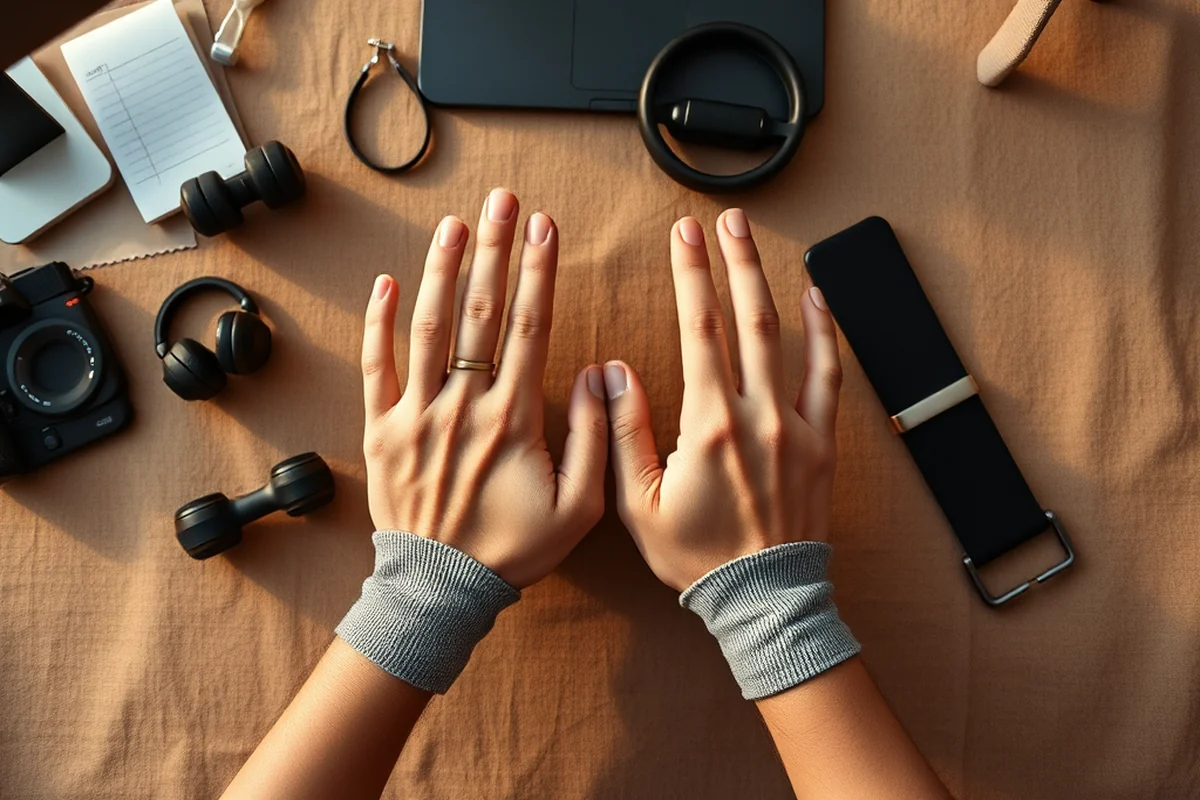
After a month of practicing this routine, I noticed a significant improvement in my range of motion. I used to struggle with reaching behind me to grab something from my desk, but now I can do it without hesitation. This increase in flexibility was unexpected but very welcome.
Another benefit I hadn’t anticipated was the improvement in my mental clarity. I used to feel foggy after sitting for too long, but now I feel more alert and focused. It’s as if my brain is getting more oxygen from the increased circulation and movement.
The most satisfying part of this journey has been the sense of control I’ve regained over my body. I used to feel like my posture and flexibility were out of my hands, but now I know that with consistent practice, I can make real changes.
Related: Easy desk stretches tracking
The Long-Term Impact of Desk Stretches
After six weeks of practicing this routine, I felt a noticeable shift in how I sat and moved throughout the day. My posture was more upright, and I was able to sit for longer without discomfort. It wasn’t just about avoiding pain — it was about feeling stronger and more in control of my body.
One of the biggest surprises was how much this routine improved my sleep. I used to wake up with stiffness in my neck and back, but now I feel more relaxed and rested. I think the increased flexibility and circulation helped my body relax more easily.
This is a practice that I can carry with me for years — it’s simple, effective, and doesn’t require any special equipment or training. It’s a small habit with big benefits.
⏱️ 5-Minute Quick Break
A short routine for those needing a quick reset without leaving their desk.
🪑 Desk-Friendly Routine
A series of stretches that can be done comfortably while seated at a desk.
👶 Beginner-Focused
A gentle introduction to desk stretches with a focus on posture and basic flexibility.
📈 Progression Plan
A step-by-step plan to gradually increase the intensity and duration of your stretches.
🔧 Maintenance Routine
A long-term routine for maintaining flexibility and posture after the initial progress phase.
| The mistake | Why it happens | The fix |
|---|---|---|
| Rushing through the stretches | This reduces the effectiveness of the stretches and may lead to injury. | Take your time with each movement, focusing on breathing and releasing tension in the muscles. |
| Ignoring discomfort | Discomfort can be a sign that you’re overexerting or moving incorrectly. | If you feel pain, stop immediately and adjust the stretch to a more comfortable position. |
| Forcing the body into unnatural positions | This can lead to strain and long-term damage to the muscles and joints. | Move gently and avoid any positions that feel forced or uncomfortable. |
| Neglecting the maintenance phase | Without regular practice, the gains you’ve made can be lost over time. | Continue practicing even after you feel comfortable — consistency is key. |
Related: Easy desk stretches progress tracking
Desk Stretches Progress Step By Step
Related: Simple desk stretches progress tracking
Integrating Desk Stretches into a Busy Workday
Adding desk stretches into a tight schedule requires smart planning and small adjustments that make a big difference over time.
I used to think I didn’t have time for stretches, but I found that even 2 minutes every hour can keep me from stiffness. I now use the 10-minute mark of each hour to do a quick neck roll and shoulder shrug — it keeps me alert and less fatigued. This small habit has made a noticeable difference in my posture and energy levels by the end of the day.
I also set up a timer on my phone to remind me to take a break. My favorite stretch is the seated spinal twist, which I do during my lunch break. It helps relieve the tension in my lower back and improves my digestion. I’ve noticed that I feel more focused in the afternoon after doing this, which is a bonus.
To make the most of these stretches, I track how I feel each day in a journal. If I skip a session, I can see the difference in my posture and mood by the end of the week. Over time, I’ve learned which stretches work best for me and when to do them. This personal feedback loop has been crucial in keeping me consistent and motivated.
Common Questions
Can I do these stretches if I have a pre-existing injury?
How long does it take to see results?
Do I need to do all the stretches every day?
Can I do these stretches while working?
References
- Office Ergonomics Program and Procedure - College of the Canyons (canyons.edu)
- Employers | Active People, Healthy Nation - CDC (cdc.gov)
- How to break up your workday with desk stretches (chhs.source.colostate.edu)
- Exercise: Getting Started and Staying With It - MC5612-03 (cstud-prod-lwc.mayo.edu)
Cite this guide
Deskloosen (2026). Desk Stretches Progress Step By Step. https://deskloosen.com/desk-stretches-progress-step-by-step/
Feel free to cite or share this guide.