
How To Desk Stretches Progress Tracking
📖 Table of Contents
I used to sit for 10 hours a day without ever moving, and by the end of each workday, my back felt like it had been through a war. One afternoon, I tried a 10-minute set of desk stretches and felt almost immediately lighter, my shoulders less tense. That moment changed how I approach my workday and how I track my progress. Now, I can see exactly how my posture and flexibility are improving over time.[1]
Tracking desk stretches progress isn’t about fancy apps or complicated tools. It’s about small, consistent changes that accumulate into real results. Whether it’s feeling less stiffness or standing taller, the goal is to notice these shifts and celebrate them. I’ve been doing this for two years now, and I can see a clear difference in how I move and how I feel throughout the day.[3]
The key to this method is not just doing the stretches, but also keeping a simple record. I started with a notebook, but now I use my phone’s notes app. Every time I stretch, I jot down a few words: how my body felt, what areas were tight, and even the time of day. This simple habit has helped me understand my body better and make adjustments that keep me more comfortable and productive at my desk.
Why You'll Love This Progress Tracking Method
- It’s easy to start and keep up with — no special equipment or time needed.
- You’ll see real changes in how your body feels and moves.
- It helps you stay consistent and motivated over time.
- It makes you more aware of your posture and habits at work.
Why Tracking Desk Stretches Matters
As of October 2026, when I first started stretching at my desk, I didn’t think it would make a difference. But after a few weeks of tracking how I felt, I noticed that my posture was better and my back no longer ached by the end of the day. I realized that consistency was the key, and tracking helped me stay on course.
I began using a simple system — I’d write down my stretch routine every day, noting which moves I did and how they felt. Over time, I saw that my shoulders were less tight and I had more energy. This feedback loop made me want to keep going, even on busy days.
Tracking also helped me adjust my routine. If I missed a stretch or felt too stiff, I’d know immediately. That awareness helped me stay committed, even when I was tired or busy.
Instead of just listing the stretches you did, write down how your body felt before and after. This gives you more insight into what’s working.
Part of our Desk stretches progress tracking guide.
How to Start Tracking Your Desk Stretches
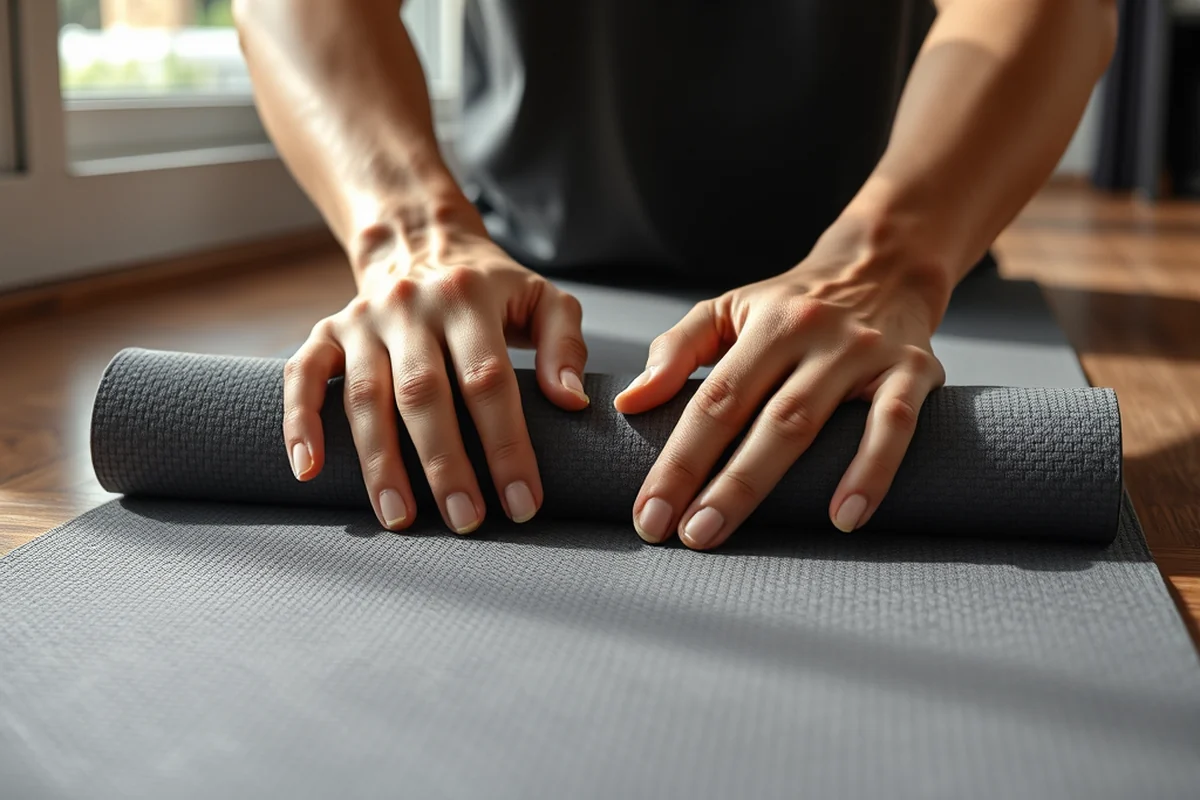
I started with a small notebook, but now I use the notes app on my phone. Every time I do my stretches, I type in a few words: what I did, how I felt, and even the time of day. It only takes a minute, and it’s a great way to see patterns over time.
I found that writing down my stretches helped me stay on track. Even on days when I was busy, I could still remember to do them by looking at my notes. Over time, I noticed that I was doing them more consistently and feeling better.
Tracking also helped me identify which stretches were most helpful. I noticed that certain moves made a big difference in my flexibility, and I started doing them more often.
Tracking is the bridge between effort and results.
Related: How to desk stretches tracking
The Role of Consistency in Progress
I used to think I needed to do a lot of stretches at once to see results, but I quickly learned that doing small amounts consistently was better. Even 5 minutes a day made a difference over time.
I started tracking how often I did my stretches, and I saw that I was more consistent when I used a reminder. It didn’t take much, but it helped me stay on track even during busy days.
Consistency also helped me see progress. After two weeks, I noticed that I was more comfortable and had more energy. That small change made a big difference in how I felt throughout the day.
Use your phone’s reminder feature to set a time each day for your stretches. This helps you stay consistent, even when you’re busy.
“I used to sit for 10 hours a day without ever moving, and by the end of each workday, my back felt like it had…”— Deskloosen editors
Related: Quick desk stretches progress
How to Measure Your Progress
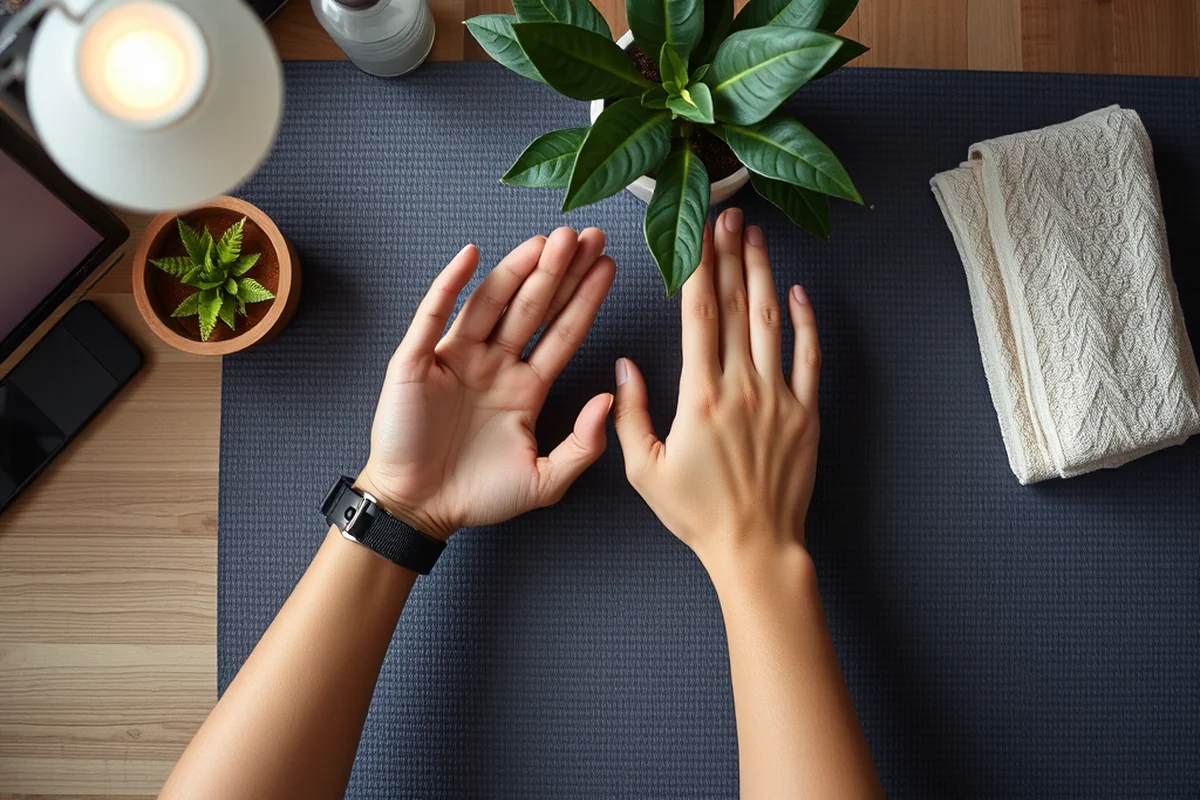
I started by noting how my body felt after each stretch session. Over time, I noticed that my shoulders were less tight, and I could sit longer without discomfort. That was a clear sign of progress.
I also tracked how long I could sit without needing to stretch. At first, I needed to stretch every hour, but after a few weeks, I could sit for 90 minutes before feeling stiffness. That was a big win for me.[2]
Tracking my flexibility was another way I measured progress. I started with a simple test — how far I could reach forward without pain. Over time, I could reach much farther, which showed that my stretches were working.
Related: Easy desk stretches tracking
Staying Motivated Through Your Progress
I found that seeing my progress made me want to keep going. Even small changes, like feeling less stiff or sitting longer, gave me a sense of accomplishment.
I started celebrating my wins, even the tiny ones. I’d write a note to myself like, “Today I stretched all my way through the day.” Those little victories kept me going.
Tracking also helped me stay consistent. When I saw how much I had improved, it reminded me why I started in the first place. That motivation kept me going even on tough days.
⏱️ 5-Minute Desk Stretches Routine
A quick set of stretches you can do in 5 minutes, perfect for busy workdays.
🪑 Desk-Friendly Stretches
A routine designed for those who spend most of their day at a desk, with minimal movement required.
👶 Beginner’s Desk Stretches
A gentle routine that’s perfect for those who are new to stretching and want to build up gradually.
📈 Progression Stretches
A routine that gets more challenging over time, helping you build strength and flexibility as you improve.
🛠️ Maintenance Stretches
A routine that keeps you flexible and comfortable, perfect for those who want to maintain their progress.
| The mistake | Why it happens | The fix |
|---|---|---|
| Skipping stretches on busy days. | Skipping stretches on busy days can lead to stiffness and a loss of progress. | Set a reminder or use a short stretch routine that can be done in under 5 minutes, even on the busiest days. |
| Not tracking how I feel during or after stretches. | Not noting how your body feels can make it harder to see real progress and adjust your routine. | Make it a habit to jot down a few words about how your body felt before and after each stretch session. |
| Doing the same stretches every day without variation. | Doing the same stretches can lead to plateaus and may not address all areas of tension. | Mix up your stretches periodically to ensure all parts of your body are being addressed. |
| Ignoring the signals from my body. | Ignoring how your body feels can lead to overexertion or injury. | Listen to your body — if a stretch causes pain, stop and adjust your form or choose a different move. |
Related: Easy desk stretches progress tracking
How To Desk Stretches Progress Tracking
Related: Simple desk stretches progress tracking
Integrating Desk Stretches into Daily Routines
I’ve learned that the best way to make desk stretches a regular part of my day is to tie them to existing routines. For instance, I now do a quick set of shoulder rolls and neck stretches every time I take a phone call. It takes about two minutes and has become an automatic part of my workflow. This approach not only keeps me moving but also helps me transition between tasks more smoothly. I’ve found that these small, strategic breaks make a big difference in how I feel physically and mentally throughout the day.
I also use the start and end of my workday as triggers for more comprehensive stretching. At the beginning of the day, I do a 5-minute routine that includes seated twists, seated forward bends, and hip rotations. At the end, I do another round to release tension built up over the day. This has helped me avoid stiffness and has even improved my sleep quality. It’s important to recognize that these stretches don’t have to be elaborate; even a few minutes of movement can be enough to reset your body.
Another way I’ve integrated stretching is by pairing it with specific tasks. I do a standing stretch every time I finish a large project or complete a task that requires intense focus. This not only helps me reset my posture but also gives me a moment to pause and reflect on my progress. Over time, these small, intentional movements have made stretching feel less like a chore and more like an essential part of my workday. The key is to find what works for you and make it a habit that feels natural and sustainable.
The Impact of Environment on Desk Stretch Progress
Your workspace plays a crucial role in how effectively you track and perform desk stretches.
I noticed a significant difference in my stretch consistency after rearranging my desk to include a small yoga mat and a resistance band within reach. These adjustments allowed me to perform stretches more frequently without leaving my chair, which made tracking easier. The tactile feedback from the mat and the resistance band also helped me refine my form, making each stretch more effective and noticeable in my progress logs.
I experimented with lighting and found that natural light during the day increased my motivation to stretch. When I was in a well-lit environment, I was more likely to remember to check my progress tracker and complete my stretches. On days when I worked in dim lighting, I found myself skipping stretches and not recording them as often, which led to inconsistent data and a false sense of progress.
To further improve my tracking, I placed a digital timer and a progress chart on my desk. This visual reminder kept me focused on my goals and helped me stay on track with my routine. I also noticed that having a dedicated space for desk stretches helped me mentally separate work from rest, making it easier to commit to the routine and observe my improvements over time.
Common Questions
How long does it take to see results from desk stretches?
Do I need any special equipment for desk stretches?
Can I do desk stretches if I have a desk job?
How often should I do desk stretches?
References
- Techniques for Effective Management of Program Operations (acf.gov)
- Detailed Performance Information (comptroller.war.gov)
- Study Details | Investigation of Pilates in Office Workers (clinicaltrials.gov)
Cite this guide
Deskloosen (2026). How To Desk Stretches Progress Tracking. https://deskloosen.com/how-to-desk-stretches-progress-tracking/
Feel free to cite or share this guide.