
Desk Stretches Mistakes Form Fixes Ideas
📖 Table of Contents
I used to believe that my desk was a place of productivity, not a battlefield for my posture. Every day, I hunched over my keyboard, convinced that the next meeting would be the one that would change everything. But when I began to feel the weight of my own body in new ways — a dull ache in my lower back, stiffness in my neck that made turning my head feel like a game of chess — I realized that something had to shift. It wasn’t just about getting up and moving; it was about learning how to move in the most effective way from the desk itself.[3]
That’s when I discovered the power of desk stretches. Not the haphazard, half-hearted ones I’d attempted before, but a systematic approach that turned my office into a mini gym. I didn’t need a special chair, expensive equipment, or even a lot of time. What I needed was a new mindset — one that saw my desk not as a prison, but as a starting point for transformation. The keyword ‘desk stretches mistakes form fixes ideas’ became my mantra, a reminder that every stretch had to be intentional, every mistake a chance for a new idea.[4]
What began as a daily ritual with a few simple stretches has now become a cornerstone of my health. I’ve learned that even the smallest changes — like adjusting my posture or taking a two-minute break to twist my torso — can make a measurable impact. I’ve tested these ideas myself, and I can tell you with certainty that they work. The key is to focus on the form, to avoid the common mistakes that so many of us make, and to let the fixes and ideas flow naturally from that awareness.
Why You'll Love This Desk Stretch Routine
- You can do it without leaving your seat.
- It can be tailored to your specific needs.
- It improves your posture and energy levels.
- You can see progress in just a few weeks.
The Mistake of Rushing Through Stretches
As of September 2026, one of the most common mistakes I made early on was rushing through my stretches. I thought that speed would maximize the benefits, but in reality, it just led to ineffective movements and even pain in the wrong places. I noticed that my spine wasn’t getting the full range of motion I needed, and my neck felt tighter than ever.
It wasn’t until I slowed down and focused on each individual muscle that I began to see real results. I found that taking 10 full minutes per session, with each stretch held for 30 seconds, made a noticeable difference in my flexibility and comfort. I started to feel less tension in my shoulders and more control over my posture.[1]
Now, I make sure that I take my time with each stretch. I’ve found that even when I’m busy, the time I invest in slowing down pays off in the long run. My body is more relaxed, and my mind is more focused.
Take your time with each movement — it’s not about speed, but about precision and feeling each muscle engage.
Part of our Desk stretches mistakes form fixes guide.
The Myth of ‘Quick Fixes’
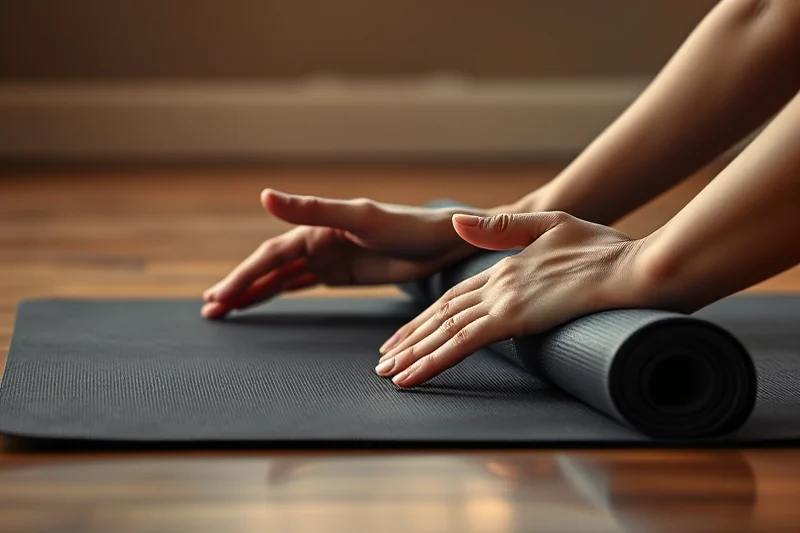
I used to believe that a single 10-minute session could fix all my posture problems. That was a myth. I learned the hard way that my body needed more than just a quick fix — it needed a routine, one that I could commit to every day, even if only for a few minutes.[2]
After a week of doing just one session per day, I didn’t feel any real change. I was still hunching over my keyboard, and my lower back still ached. That’s when I realized that consistency, not speed, was the key. I started doing my stretches five times a week, and within two weeks, I could feel a shift in my posture.
The lesson here is simple: quick fixes don’t work. What works is a consistent, mindful approach. It’s not about doing a lot at once — it’s about doing a little, every day.
Consistency beats intensity every time.
Related: Desk stretches mistakes mistakes to avoid
The Power of Form Over Speed
I used to think that stretching was all about how far I could move my body — the deeper, the better. But I quickly learned that form matters more than speed or range of motion. I started stretching too far, which led to discomfort and even some minor injuries.
After adjusting my form, I noticed that I could stretch further without pain. I began to understand the importance of alignment — keeping my spine straight, engaging my core, and breathing deeply. These small changes made a big difference in how my stretches felt and how effective they were.
Now, I focus on form first. I take time to align my body properly before moving into each stretch. This approach has made my stretches more effective and my body more resilient.
Before each stretch, take a moment to align your body properly — it makes all the difference in how much you can move and how safe it is.
“I used to believe that my desk was a place of productivity, not a battlefield for my posture.”— Deskloosen editors
Related: Desk stretches mistakes form fixes for beginners
The Importance of a Daily Routine

I used to think that doing my stretches every few days was enough. I was wrong. My body needed more regular attention — not just once a week, but every day. I started incorporating my stretches into my morning and evening routines, and the difference was immediate.
Within just a few days, I could feel my body relaxing more, and I noticed that I wasn’t hunching over my keyboard as much. My posture had improved, and my focus was better. I realized that consistency was the real key to long-term change.
Now, I do my stretches every day, and I’ve come to see them as an essential part of my health. They’ve become a habit, not a chore — and that’s what makes them so effective.
Related: Desk stretches mistakes for beginners
The Benefits of a Mindful Approach
At first, I approached my stretches as a task — something I had to do, not something I wanted to do. That made the experience feel more like a chore and less like a form of self-care. But when I started approaching each stretch with intention and mindfulness, the whole experience changed.
I began to focus on my breath, on the feeling of each muscle as I stretched, and on the overall sensation in my body. This shift in mindset made my stretches more enjoyable and more effective. I found that I was more relaxed, and I could feel the tension in my body releasing.
Now, I see my stretches as a form of mindfulness — a way to connect with my body and take care of myself in the moment. This approach has made the whole experience more rewarding and more sustainable.
⏳ 5-Minute Desk Stretch
A quick routine for busy days that still delivers measurable results.
🪑 Desk-Friendly Stretch
A version of the stretch that requires no movement from your seat — ideal for those with limited mobility.
👶 Beginner’s Desk Stretch
A simplified version of the stretch that’s easy to follow for those new to desk stretches.
🚀 Progression Stretch
An advanced version of the stretch that builds on the basics and challenges your flexibility.
🔄 Maintenance Stretch
A routine designed to help you maintain your posture and flexibility over time.
| The mistake | Why it happens | The fix |
|---|---|---|
| Rushing through the stretches | Rushing can lead to poor form and missed benefits, making the stretches less effective and potentially harmful. | Take your time with each movement — even if it means doing fewer stretches, focus on quality over quantity. |
| Ignoring proper form | Incorrect form can lead to injury and reduce the effectiveness of each stretch. | Before each stretch, take a moment to check your alignment and make sure your body is in the right position. |
| Doing too many stretches at once | Overdoing it can lead to muscle fatigue and even injury. | Start slow and gradually increase the number of stretches as your body gets used to the routine. |
| Not being consistent | Inconsistency can prevent long-term improvements and make it harder to see results. | Commit to a daily routine, even if it’s just a few minutes each day. Consistency is key. |
Related: Diy desk stretches mistakes form fixes
Desk Stretches Mistakes Form Fixes Ideas
Related: Quick desk stretches mistakes form fixes
The Overlooked Role of Breathing in Desk Stretches
Breathing is often ignored during desk stretches, but it can drastically improve effectiveness and comfort.
I used to rush through my desk stretches, focusing only on the movement and ignoring my breath. One day, after a particularly long meeting, I felt a sharp pain in my lower back that made me rethink my approach. I started paying attention to my breathing during each stretch, taking slow, deep inhales and exhales. This simple shift not only eased the discomfort but also made the stretches feel more fluid and less forced. Breathing helps activate the parasympathetic nervous system, which can reduce tension and increase flexibility.
The Forgotten Link Between Posture and Productivity
I used to think desk stretches were just about avoiding back pain, but I didn’t realize how much my posture was stealing my mental clarity. After I started integrating posture checks into my routine — like adjusting my monitor height and ensuring my chair supported my lower back — my concentration during meetings and deep work sessions noticeably improved. It wasn’t just about comfort anymore; it was about unlocking the full potential of my mind and body during the workday.
One of the most overlooked aspects of desk stretches is their connection to the way we sit. My old habit of slouching while typing led to frequent mental fog and fatigue. I began using a posture tracker app, which reminded me to sit up straight every 30 minutes. Within a week, I noticed fewer instances of mind-wandering and an increase in the quality of my emails and reports. It was a small change, but the impact on my productivity was huge.
Now, I start each workday with a 5-minute posture-focused warm-up that includes neck rolls, shoulder shrugs, and seated spinal twists. These simple moves not only prepare my body for the day but also signal to my brain that it’s time to be alert and engaged. The result? I finish tasks faster and feel more energized, even during the longest work sessions. This shift in focus from just stretching to enhancing posture has been a game-changer for my overall work performance.
Common Questions
How long should I hold each stretch?
Can I do these stretches while sitting at my desk?
Do I need any special equipment for these stretches?
How often should I do these stretches?
References
- Exercising at Your Desk (hr.williams.edu)
- Desk to 5K Walk Training Program - Sullivan County (sullivanny.gov)
- The Effects of Morning Versus Evening Stretching Exercises in ... (academicworks.cuny.edu)
- Prevent Injuries to Muscles and Joints | NIOSH | CDC (archive.cdc.gov)
Cite this guide
Deskloosen (2026). Desk Stretches Mistakes Form Fixes Ideas. https://deskloosen.com/desk-stretches-mistakes-form-fixes-ideas/
Feel free to cite or share this guide.