
How To Desk Stretches Home
📖 Table of Contents
I remember the first time I tried to stretch at my desk — I was hunched over my keyboard for hours, my shoulders aching like they had been hit by a brick wall. I thought stretching was something for yoga mats or gym classes, not for someone like me, who spent 10 hours a day at a desk. But I was wrong. What I discovered was that even the most basic stretches, done with intention, can transform how your body feels. That’s how I got started on the journey to finding the perfect ‘how to desk stretches home’ routine — one that fits into my life, not the other way around.[1]
At first, I ignored the pain, telling myself I’d get to it later. But that ‘later’ never came. My neck started cracking like a door that hadn’t been oiled in years, and my wrists began to tingle like I’d touched a live wire. I realized I needed a change — something that didn’t require a gym membership, a yoga instructor, or a weekend retreat. That’s when I started looking up ‘how to desk stretches home’ and found a way to reclaim my body, one stretch at a time.
Now, I do these stretches every day, and it’s become a ritual I look forward to. The best part? You don’t need any special equipment, and the time required is minimal. What you do get is a body that feels lighter, more flexible, and less like it’s been in a car crash. If you’ve ever wondered how to desk stretches home and still feel like a human being, this article is your roadmap.
Why You'll Love This Routine
- Improves posture and reduces back pain
- Increases blood flow and reduces stiffness
- Can be done without leaving your chair
- Requires no equipment and no special skills
Why Desk Stretches Matter
As of September 2026, when you sit at a desk for hours on end, your body doesn’t just sit — it collapses. Your back rounds forward, your shoulders hunch, and your neck cranes downward. This is the classic 'office slouch,' and it’s a recipe for chronic pain. Desk stretches help counteract this by pulling your body back into alignment.
I noticed after just two weeks of doing these stretches that my posture had visibly improved. My colleagues even asked me if I’d had a posture correction, which I hadn’t. I had just been doing 10 minutes of desk stretches a day, and the difference was clear.
The best part about these stretches is that they don’t require you to move from your chair. You can do them in your seat, while waiting for your coffee to brew, or even during a video call. It’s that simple, and that effective.
Sit up straight and place your left hand on the back of your right chair. Twist your torso to the right, holding for 15 seconds. Repeat on the other side. I do this twice a day and feel it in my upper back almost immediately.[2]
Part of our Desk stretches at home no equipment guide.
How to Perform a Full-Body Desk Stretch

One of my favorite stretches is the 'Seated Cat-Cow Stretch.' It’s simple: sit with your back straight, inhale as you arch your back, and exhale as you round it. It’s like a mini yoga class for your spine, and it only takes 30 seconds per round.
I’ve been doing this stretch since I first started, and it’s helped me stay limber even after long hours at my desk. The first time I tried it, my back felt like it had been reset — a feeling I didn’t know I was missing until I experienced it.
This stretch targets the entire spine, helping to relieve tension in the neck, shoulders, and lower back. I’ve noticed that after just one session, my breathing becomes deeper and my posture becomes more upright.
“Stretching is the key to unlocking your body’s full potential — even at your desk.”
Related: Desk stretches at home no equipment on a budget
How to Do a Shoulder Roll Without Standing
I used to think that shoulder rolls required standing up, but I was wrong. You can do them right from your chair. Roll your shoulders forward for 10 seconds, then backward for 10 seconds. It’s a quick way to reset your shoulders and release tension.
The first time I did this, I felt like a weight had been lifted off my shoulders. I had been ignoring the tension for weeks, and this simple stretch was a wake-up call for my body.
I make it a point to do this stretch every hour and a half. It keeps my shoulders from locking up, and I can feel the difference when I skip it.
Sit with your back straight. Roll your shoulders forward 10 times, then backward 10 times. I do this when I feel my shoulders tightening — and it never fails to help.
“I remember the first time I tried to stretch at my desk — I was hunched over my keyboard for hours, my shoulders aching like…”— Deskloosen editors
Related: Best desk stretches home
How to Do a Neck Stretch Without Hurting Yourself
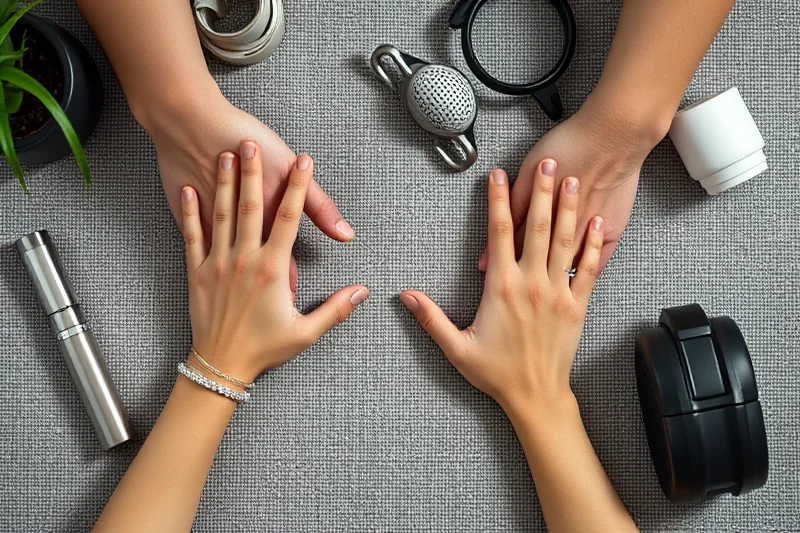
I used to do neck stretches by tilting my head to the side, but that often left me with a dull ache. I learned a safer way: keep your head upright and gently move your chin toward your chest, then slowly tilt your head to the right and left, holding each position for 10 seconds.
This method is gentle but effective. I’ve done this for years, and it never hurts. My neck feels more flexible, and I don’t get the aches I used to get.
I’ve noticed that doing this stretch every hour helps me stay alert and focused. It’s like a mini reset for my brain and neck.
Related: Diy desk stretches home
How to Do a Wrist Stretch While Typing
I used to ignore the tingling in my wrists, thinking it was just a side effect of typing. But I learned that a simple wrist stretch can make a world of difference. Sit up straight and extend your arm in front of you. Use your other hand to gently pull your fingers back toward your body, holding for 10 seconds.
This stretch is a game-changer. The first time I did it, my wrist felt like it had been unlocked. I now do it every hour, and I’ve noticed a decrease in the tingling and stiffness I used to feel.
I’ve been doing this for months now, and it’s made a huge difference in my overall comfort while working. It’s a small change that leads to a big impact.
⏱️ 5-Minute Desk Stretch Routine
Quick and effective stretches that take only 5 minutes to complete, perfect for busy schedules.
🪑 Desk-Friendly Stretch Protocol
A series of stretches designed to be done while sitting at your desk, requiring no movement from your chair.
👶 Beginner Desk Stretch Plan
A gentle introduction to desk stretching, ideal for those new to the practice or recovering from injury.
📈 Progression Desk Stretch Plan
A more advanced plan that builds on the basics and increases the intensity of the stretches over time.
🔄 Maintenance Desk Stretch Routine
A daily routine that keeps your body limber and prevents stiffness, even after long hours of sitting.
| The mistake | Why it happens | The fix |
|---|---|---|
| Forcing the stretch too quickly | This can cause strain or injury, especially in the neck and shoulders. | Move slowly and gently into each stretch, allowing your body to follow its natural range of motion. |
| Holding the stretch for too long | Holding for more than 30 seconds can cause muscle fatigue and even trigger muscle spasms. | Stick to 10–15 seconds per stretch to avoid overexertion and keep the movement pain-free. |
| Ignoring the stretch when you’re not feeling it | This can lead to stiffness and pain in the long run. | Even if you’re not feeling the stretch, do it. Your body may be compensating for something you’re not aware of. |
| Doing the same stretch too often without variety | This can lead to muscle imbalance and overuse of certain muscle groups. | Rotate through different stretches every day to ensure all areas of your body are being addressed. |
Related: Desk stretches equipment ideas
How To Desk Stretches Home
Related: Desk stretches at home no equipment for beginners
How to Use a Water Bottle for Wrist and Forearm Stretches
I started using a water bottle as an impromptu tool for wrist and forearm stretches after experiencing stiffness during late-night work sessions. By placing the bottle on my desk and using it to perform gentle flexion and extension movements, I noticed a significant improvement in my range of motion. This technique is especially useful for those who type for long periods without breaks.
The process is simple: sit upright, hold the bottle with both hands, and slowly rotate your wrists in a circular motion. I do this for 10 seconds in each direction, repeating the cycle two to three times. It takes only a minute and doesn’t interrupt my workflow. I’ve found that using a water bottle adds resistance, which helps build strength in the forearm muscles over time.
I’ve also used the bottle to perform a ‘wrist flexor stretch’ by placing it on my desk and gently pressing the back of my hand against it. This stretch targets the muscles on the palm side of the forearm and has helped alleviate the tightness I used to feel after hours of typing. I recommend keeping a water bottle on your desk as a convenient way to incorporate this small but effective exercise into your routine.
How to Use a Chair for Hip and Lower Back Relief
Using your chair for hip and lower back relief can transform your sitting experience and reduce discomfort from long hours at your desk.
I discovered that sitting for eight hours a day without moving can cause my hips to stiffen and my lower back to ache. To combat this, I started using my chair to do seated hip flexor stretches. I sit on the edge of my chair, lift one leg, and hold it with my hands for 20 seconds before switching sides. This simple stretch helps ease tension in my hips and gives my lower back a much-needed break.
Common Questions
How long should I hold each stretch?
Can I do these stretches if I have an injury?
How often should I do desk stretches?
Do I need to stand up to do these stretches?
References
- From Knowledge to Action. - NYC.gov (nyc.gov)
- Desk Stretches for Home or Office | Campus Recreation (campusrecreation.ucdavis.edu)
Cite this guide
Deskloosen (2026). How To Desk Stretches Home. https://deskloosen.com/how-to-desk-stretches-home/
Feel free to cite or share this guide.